

The National Archaeological Park of Oricum preserves the remains of an ancient city near Orikum, Albania, on the coast at the entrance to the Gulf of Vlora. Its hilltop setting, ancient harbor history and excavated remains make it a distinctive archaeological site to include in a visit to the area.
- Location: Paleokastra hill, south of Vlora Bay, near Pashaliman Lagoon.
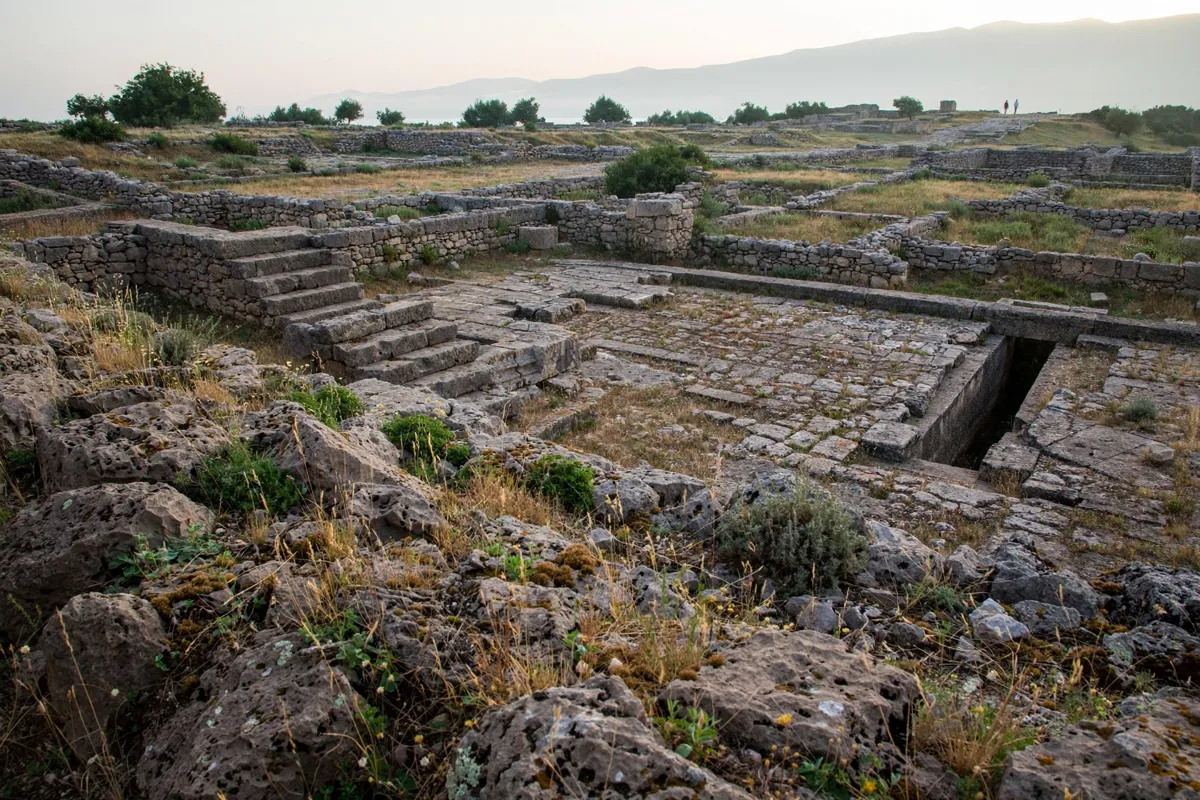
- What you can see: an ancient theater, building foundations, rock-cut stairs, temples, dwellings and a Paleochristian church.
- Hours and tickets: Open daily
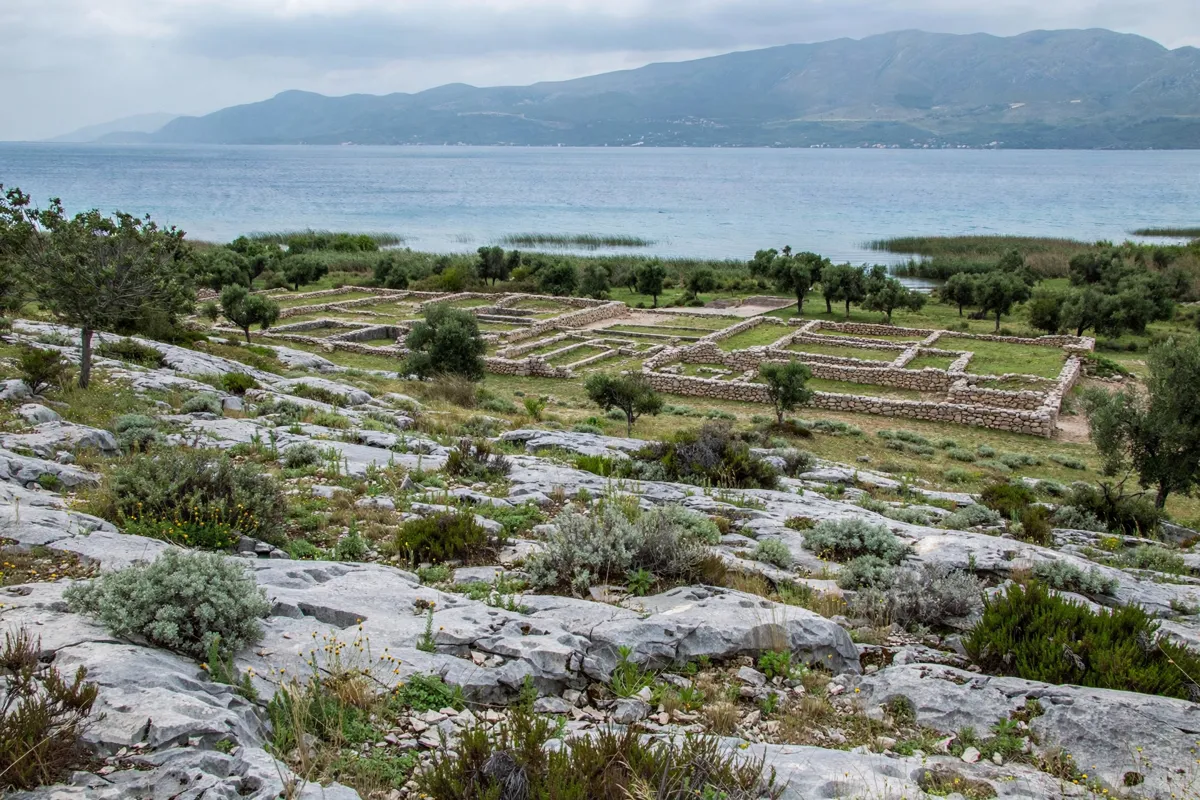
Where the National Archaeological Park of Oricum Is
How do you get from Orikum to the park?
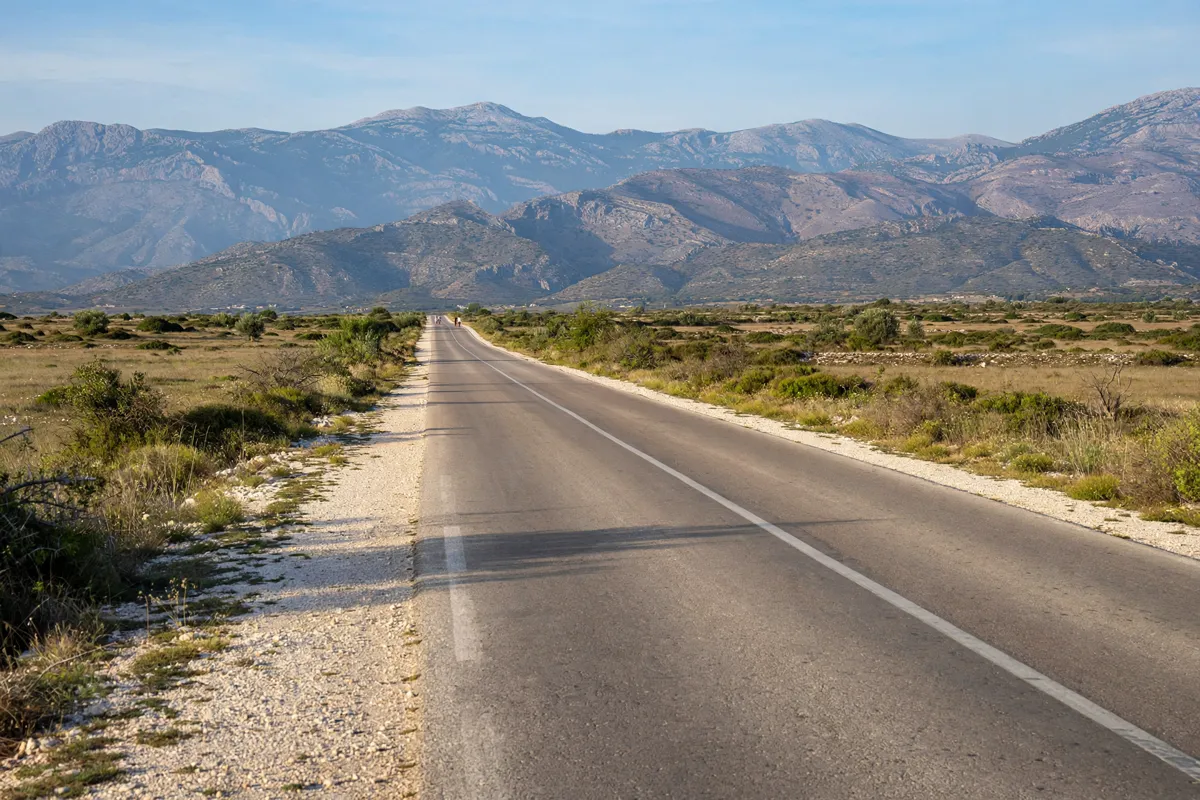
The Vlora–Orikum highway provides access to the park. From Orikum, Hotel Alba-Gert offers a place to stay for a visit to the National Archaeological Park of Oricum, about 24 minutes away by car.
What to see at the archaeological site
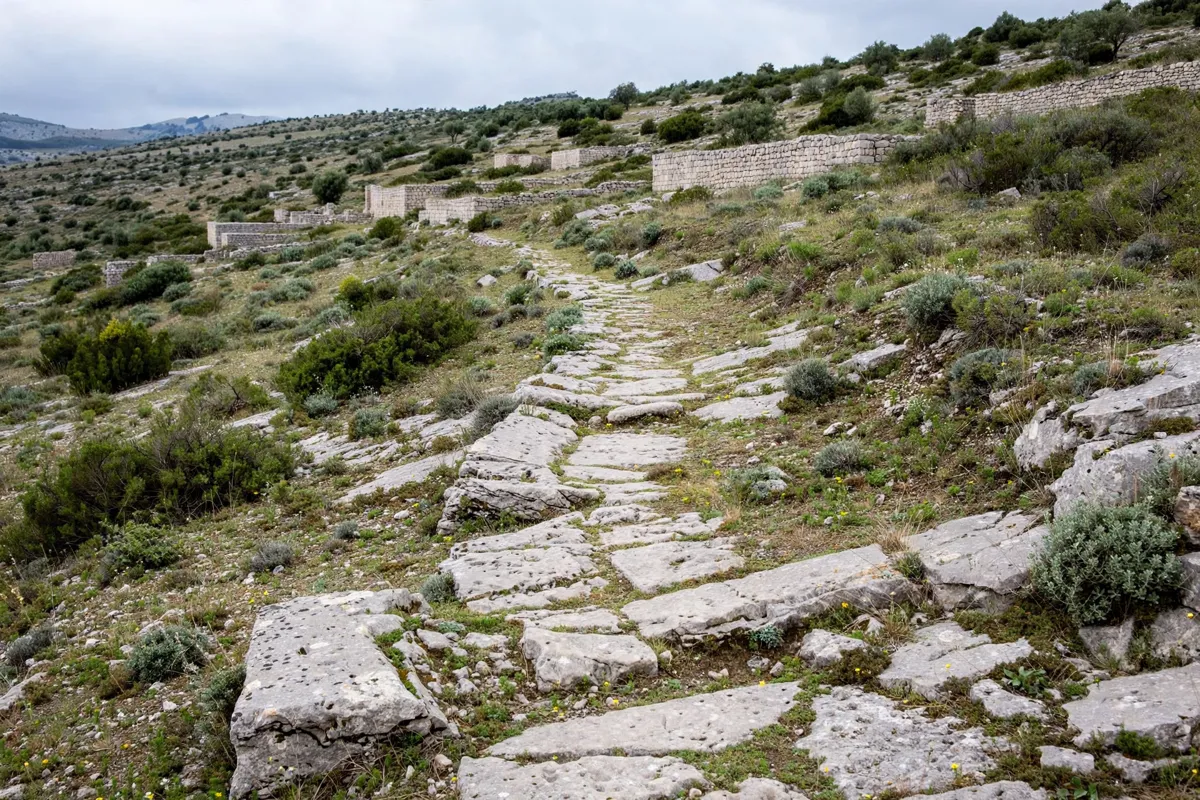
Oricum’s remains trace the development of an ancient urban centre on the natural rock of Paleokastra. By the 3rd century BC, the city had stairs, building foundations, canals, water cisterns and public monuments built into the hillside.
The remains include an ancient theater with a stated capacity of about 500–600 spectators, along with ruins of temples, dwellings and a Paleochristian church. Excavations began in 1958 with an Albanian-Soviet expedition led by Dh.
Budina and N. Kabilina. That excavation covered 400 m² and uncovered a square-shaped monument interpreted as a theater, as well as stairs cut into the rock.
Orik also appears in accounts of Roman history: Julius Caesar’s memoirs describe it as a fortified city and refer to it during the civil war with Pompey in 48 BC.
After World War II, the city’s territory was isolated because it formed part of the Pashaliman Naval Base area. Only a small percentage of the ancient city has been discovered, and archaeological excavations continue.
Opening and access details to confirm
The schedules do not define the calendar dates for summer and off-season.
Opening hours
- Monday to Saturday: 9:00–16:00
- Sunday: 9:00–14:00
Last checked November 2026. Hours can change on holidays and for special events.
Admission information is inconsistent: the directorate’s page displays “Free entry” as well as a price list of 300 lek for an individual ticket and 200 lek per person for groups. Children under 12 enter free, and reduced prices apply for students with student cards, visitors aged 12–18, children with orphan status, disabled visitors and pensioners.
Recurring free-admission dates are April 18, May 18, May 21, September 29 and the last Sunday of each month. The last-Sunday offer applies to Albanian citizens only. Hours and prices can change, so check the official site before you go.
FAQs
What is the park’s official name?
Names vary by source: the Regional Directorate of National Culture in Vlora uses Orik National Archaeological Park, while Albania’s official tourism website calls it Oriku Archaeological Park.
What remains can you see at Oricum?
The site includes an ancient theater, temples, dwellings, a Paleochristian church, foundations, canals, cisterns and stairs cut into the rock.
When was ancient Oricum founded?
The city’s founding is dated to around the middle of the 6th century BC. It became an urban centre in the 3rd century BC.