

Orikum city centre is the modern heart of a coastal settlement in southern Albania, between the Bay of Vlora and the entrance to the Albanian Riviera. Its port, nearby lagoon and archaeological remains make it a useful starting point for understanding the area.
- Setting: Between the Bay of Vlora and the entrance to the Albanian Riviera, near Llogara National Park.
- Local character: A modern centre with a port and newer tourist areas.
- Nearby nature: Orikum Lagoon is associated with walking and birdwatching.
Where Is Orikum City Centre?
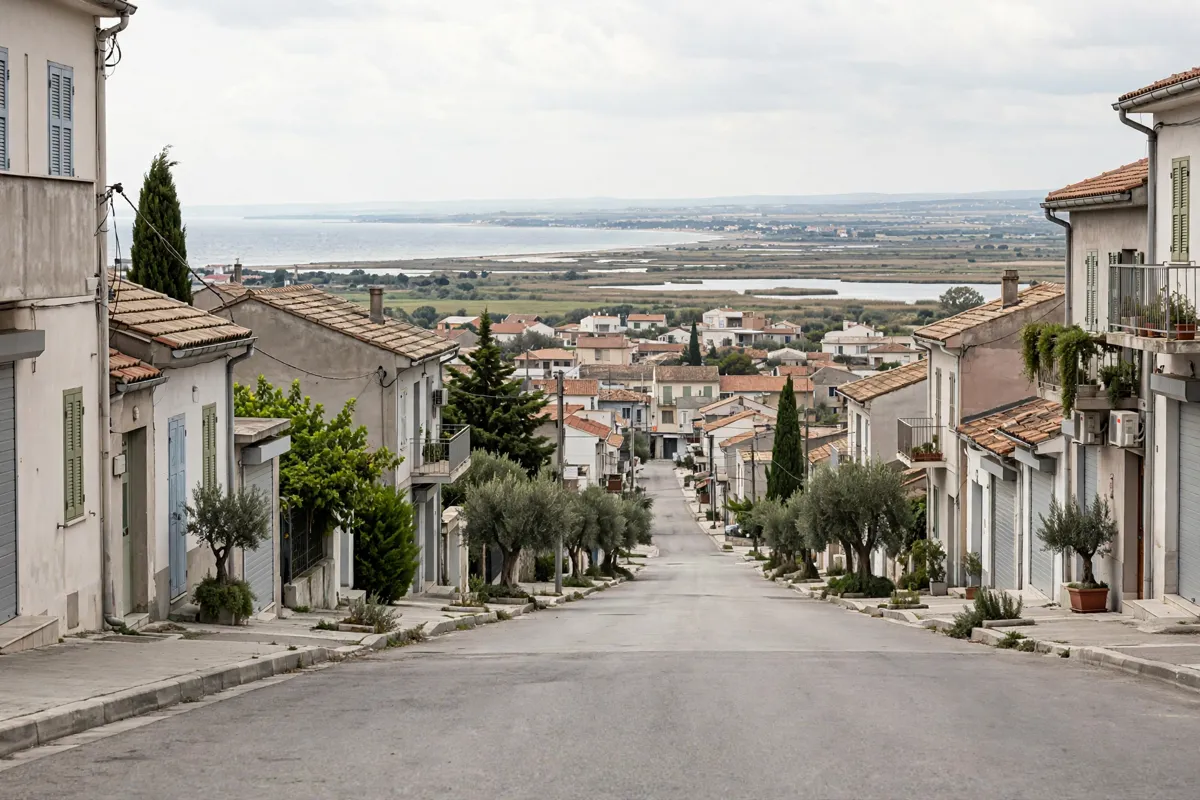
Orikum city centre sits within a coastal settlement between the Bay of Vlora and the entrance to the Albanian Riviera. Albania’s official tourism site describes the modern centre as having a port and newer tourist areas, while Llogara National Park lies nearby.
The surrounding landscape combines coastline and mountain scenery. Oriku Archaeological Park is near Pashaliman Lagoon, at the entrance to the Bay of Vlora, between the sea and the Karaburun mountains. Orikum Lagoon is noted for its biodiversity and for walking and birdwatching.
The area also has beaches described by the official tourism site as long and quiet compared with more crowded parts of the Riviera. These natural features give Orikum a broader setting than the town centre alone.
How Do You Get to Orikum City Centre?
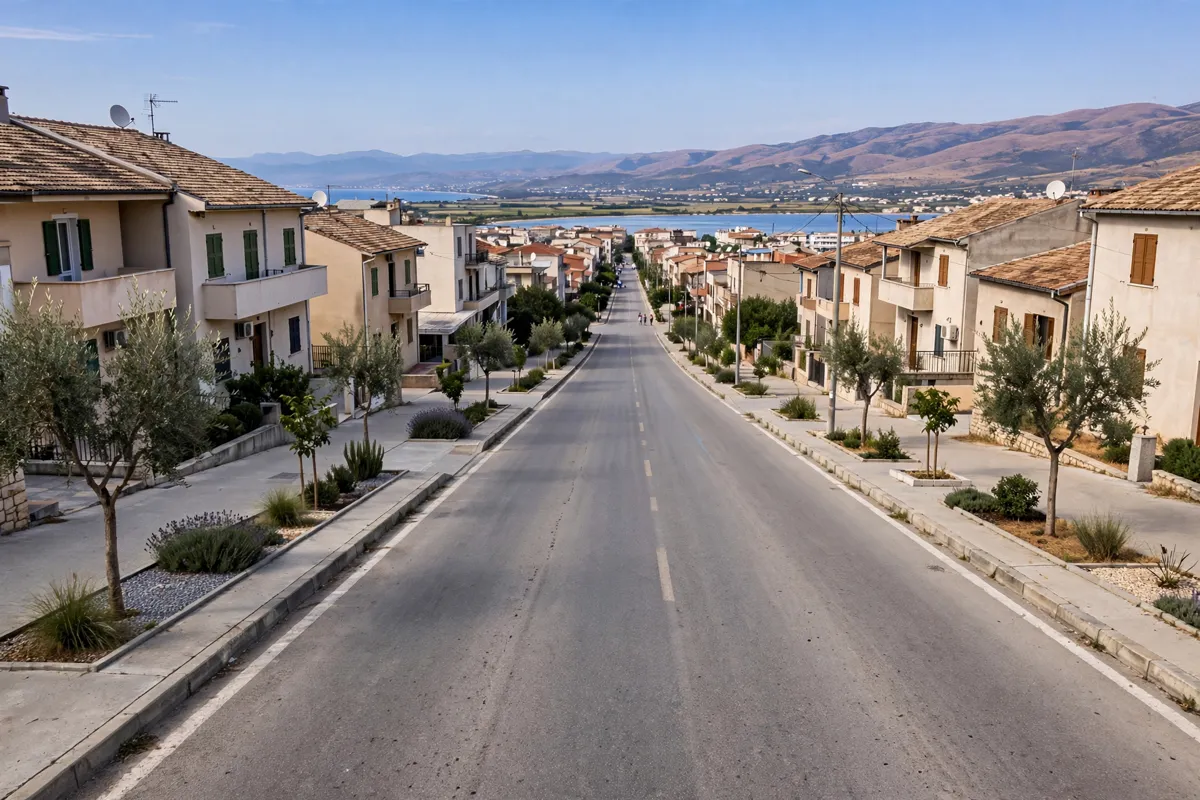
For a centre-focused visit, a hotel about a 19-minute walk from Orikum city centre gives you the option of walking or driving the 4-minute trip.
Albania’s official tourism site is the place to check for current destination information before planning excursions around the area.
Getting Around Orikum
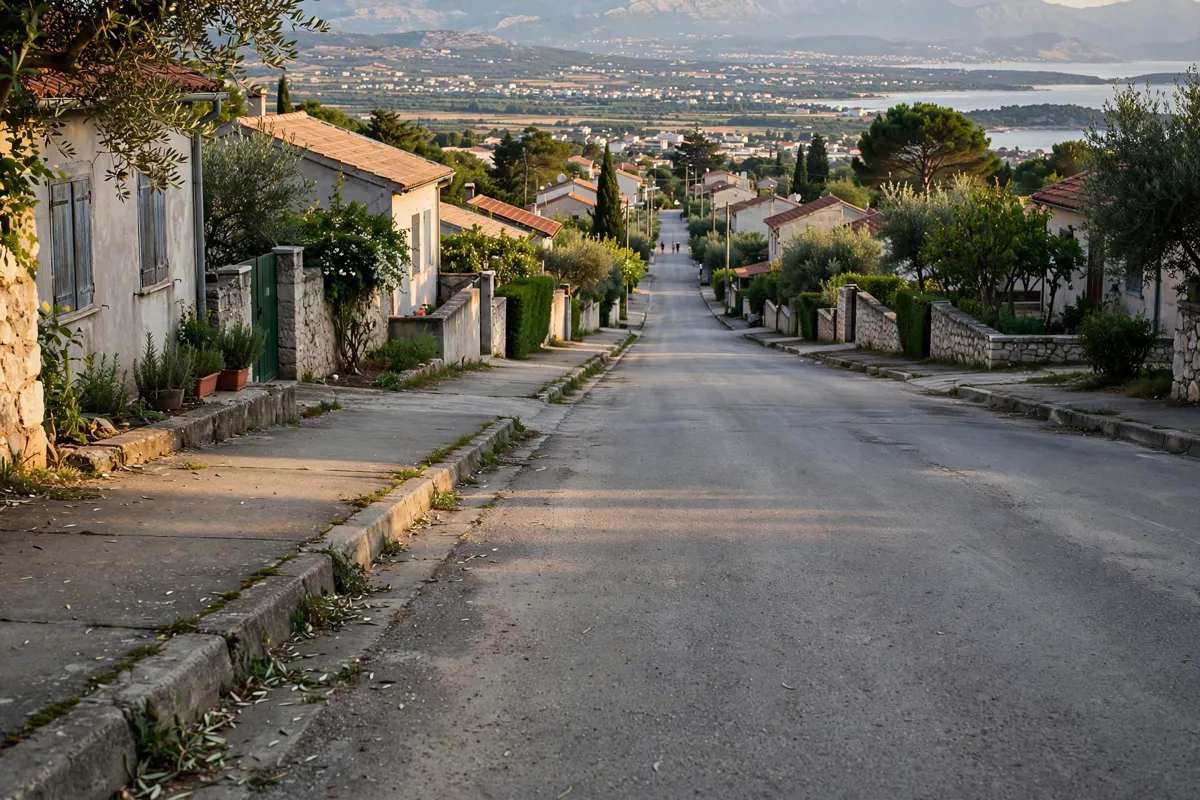
Orikum’s centre, lagoon, beaches and archaeological surroundings offer different ways to spend time in the area. The lagoon is associated with walking and birdwatching, while the coastline has long, quiet beaches.
For ancient history, the National Archaeological Park of Oricum lies near Pashaliman Lagoon. The park preserves cobbled streets, defensive walls, public buildings, temples, dwellings and a paleochristian church. Its ancient theatre is described as having capacity for about 500–600 spectators.
Orikum’s past adds context to the landscape. Ancient Orikum, also known as Orikos, was founded around the 6th century BC and served as a strategic port and trade hub between Illyria and Greece.
What to Check Before You Go
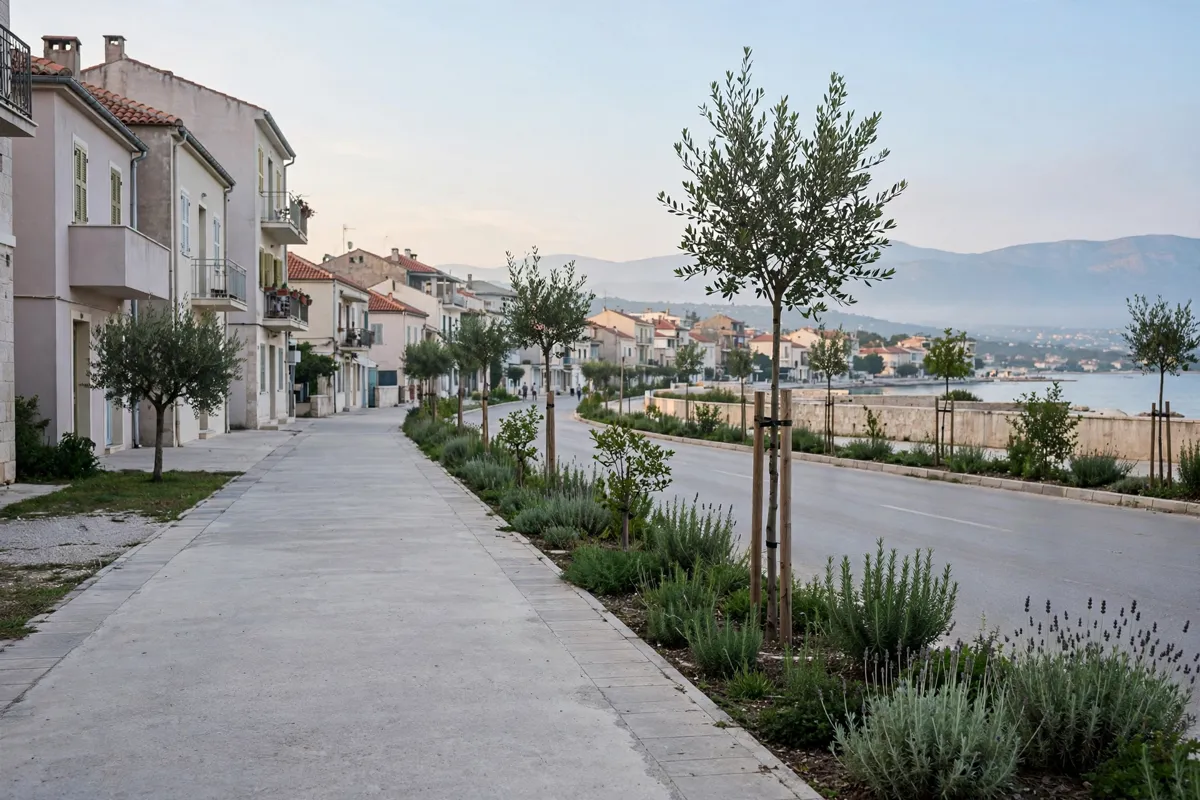
Check the official site before you go for current information about the area and places you plan to visit. The official tourism site describes Orikum’s lagoon, beaches and modern centre; details for individual activities may vary.
If you are planning a wider outing, a United Nations Development Programme guide presents itineraries that include Orikum, Oriku Archaeological Park, the lighthouse, Ravenës road, Brisan Bay and Duk Gjon Cave.
One route uses an unpaved road that can be travelled by car with an appropriate vehicle or by bicycle. For a visit focused on a historic site beyond the centre, Kalaja e Gjon Boçarit is another place in the area to consider.
FAQs
What is Orikum city centre like?
It is a modern centre with a port and newer tourist areas, set within a coastal settlement between the Bay of Vlora and the Albanian Riviera.
What natural areas are near Orikum?
Orikum Lagoon is associated with walking and birdwatching, and the area also has beaches and nearby Llogara National Park.
What can you see at Oriku Archaeological Park?
The park includes remains of ancient streets, buildings and a church, as well as a theatre described as having capacity for about 500–600 spectators.
When was ancient Orikum founded?
Ancient Orikum, also called Orikos, was founded around the 6th century BC and became a strategic port and trade hub between Illyria and Greece.